
News
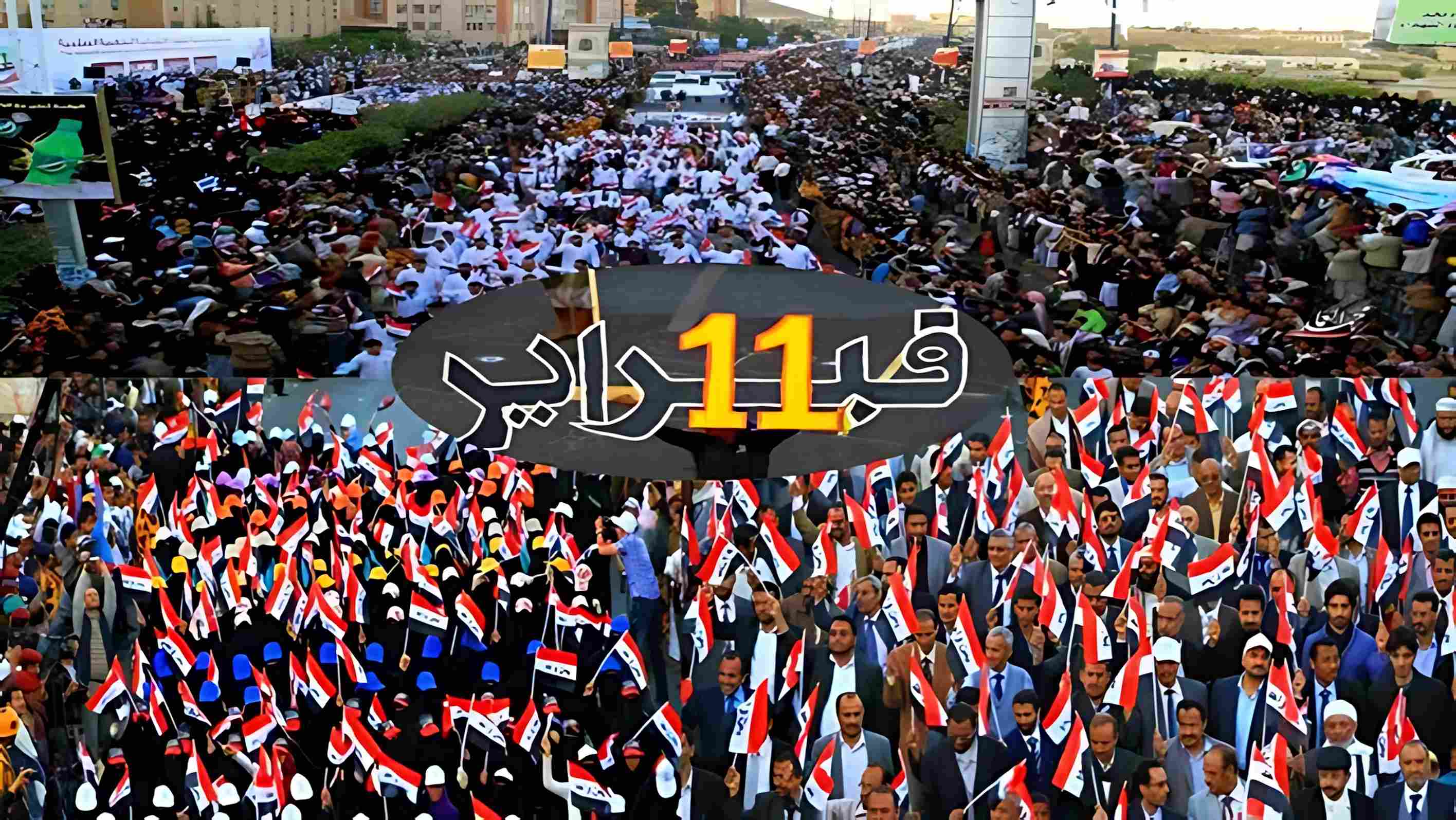
Tawakkol Karman: Yemen’s Revolution — A Journey Still Unfinished
Human rights advocate and Nobel laureate Tawakkol Karman marked the anniversary of the February 11 Revolution with a reflection on its legacy and the challenges that continue to confront Yemen.
In an article published on her official X platform, Karman described the revolution as a transformative moment in Yemen’s modern history, one that briefly opened unprecedented opportunities for freedom, dialogue, and nation-building.
She recalled that the three years following the uprising were characterized by broad public liberties, relative economic stability, and a comprehensive national dialogue that united Yemenis across political and social divides. These efforts culminated in a draft constitution aimed at establishing a democratic state grounded in equal citizenship and the rule of law.
However, Karman emphasized that this promising path was derailed by a counter-revolution led by the ousted president and the Houthis, with support from regional powers in Abu Dhabi and Tehran. The result, she noted, was war, destruction, the collapse of state institutions, and deep social fragmentation.
Acknowledging mistakes during the transitional period, Karman distinguished between political errors and what she termed “historical crimes.” The true crime against Yemen, she asserted, lies in the devastation wrought by the counter-revolution: the war it unleashed, the chaos it spread, and the unprecedented human suffering it inflicted.
Despite these setbacks, Karman insisted that the revolution’s spirit endures. “The will of the people cannot be defeated,” she wrote. “Revolutions born for freedom may stumble or be delayed, but they return stronger, purer, and more determined until they fulfill their promise of liberty, dignity, and prosperity.”
Her remarks serve both as a commemoration of the February 11 Revolution and as a call to uphold its legacy amid ongoing struggles, reinforcing her message that Yemen’s path to freedom remains unfinished but inevitable.