
Articles
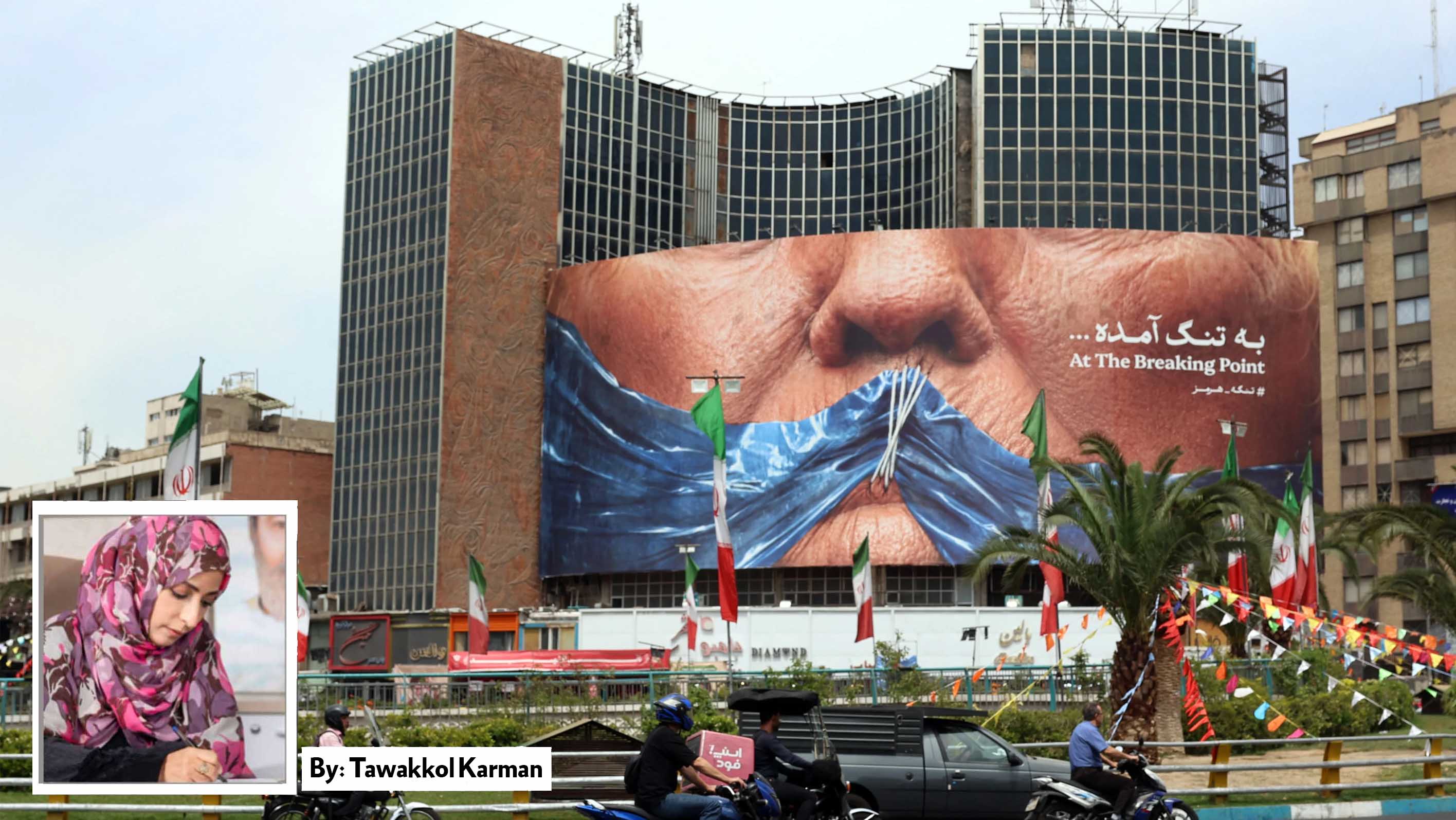
How Iran Turned Trump’s War Into Its Advantage?
In operation "Epic Fury" (known in Israel as "Operation Roaring Lion")—the inflated name Trump chose for his war on Iran, which reminds us more of a "Commander in Thief" acting like a gang leader than the Commander-in-Chief of the United States, as the American columnist Thomas Friedman observed in his latest article—Trump managed to secure outcomes that overwhelmingly served the interests of the Iranian regime. These were results so advantageous that even its most imaginative and optimistic supporters could scarcely have envisioned them.
Chief among these developments is the transfer of sweeping, absolute authority from the ailing father, Khamenei, to his younger, more energetic, and ambitious son. What had long remained a doubtful aspiration in the father’s mind—shadowed by uncertainty over whether it could ever be realized—has now taken shape. Yet nothing in Twelver Shia tradition, nor in the precedents of Iran’s Islamic Revolution, provides any assurance that such dynastic illusions can succeed. Even Khomeini—the founding architect and supreme leader of the revolution—never attempted such a handover. How, then, could one of lesser stature hope to accomplish it?
Trump’s destructive war on Iran—targeting its capabilities and coupled with his declared intent to erase Iranian civilization, seize its oil, and plunder its resources, much as he attempted in Venezuela—has delivered a crippling blow to the Iranian opposition. Only hours before Operation Epic Fury, that opposition filled the streets, haunting the Ayatollahs and threatening to drag them into the abyss.
Many dissidents seek not the destruction of Iran itself, but the overthrow of its regime. Their vision is one of reform, a peaceful transition of power, and a fairer distribution of wealth—not the erasure of their civilization or the looting of their resources by what many regard as the most arrogant and destructive president in American history. Yet those who refused to align with the regime during this war have now suspended their opposition indefinitely. Worse still, the conflict has handed the authorities countless pretexts to silence dissenting voices, ensuring repression for decades to come.
Practically, the Strait of Hormuz has become an Iranian strait—yielding hundreds of billions annually and granting Tehran commanding geopolitical leverage over the region and the world. Meanwhile, talks on Iran’s uranium stockpiles and nuclear program have been indefinitely suspended.
Hours ago, the U.S. House of Representatives passed a resolution compelling Trump to withdraw from the war. Meanwhile, global oil reserves are nearing exhaustion, threatening to drive prices to astronomical heights that few around the world can afford—least of all American voters.
Consequently, Trump cannot resume the war. Iran, fully aware that hostilities cannot be renewed, now stands to gain far more at the negotiating table than it has already secured. In the end, Trump stumbled into Israel’s trap only to be ensnared in Iran’s net—dragging the region, and indeed the entire world, down with him.