
Wjwc News
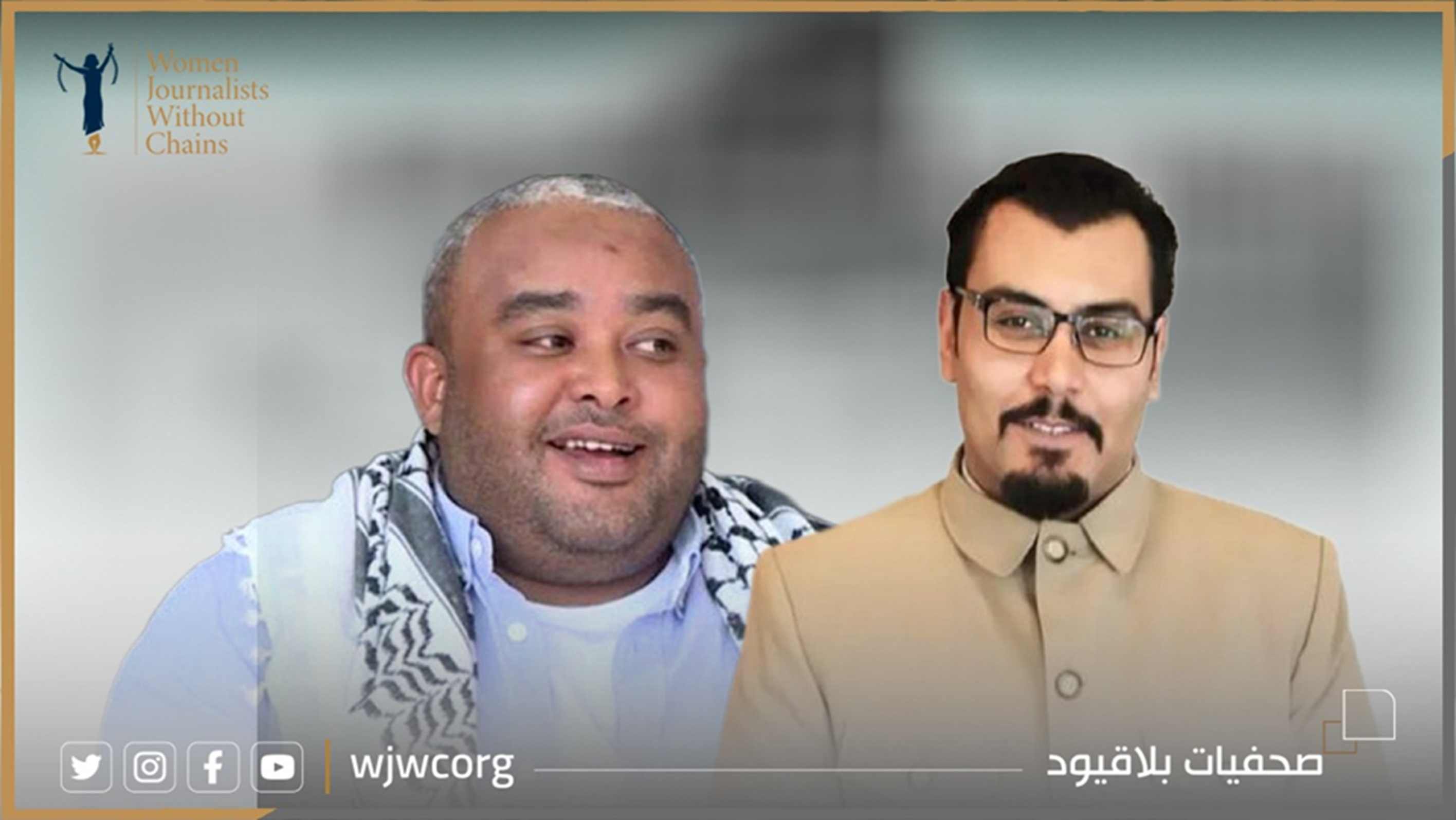
Crackdown Deepens: Judges, Lawyers, and MPs Targeted in Tunisia
Recent measures undertaken by the Tunisian authorities, including the arrest of dismissed judge Hisham Khaled, the imprisonment of Member of Parliament Ahmed Al-Saidani, and the continued detention of lawyer and human rights defender Ahmed Sawab, constitute a serious escalation in the targeting of professionals whose roles are intrinsically linked to safeguarding the rule of law and protecting fundamental freedoms.
These developments unfold within a broader environment marked by mounting restrictions on freedom of expression and the erosion of judicial independence since 2021. The close succession of these cases, combined with the nature of the charges advanced, raises grave concerns regarding the instrumentalization of the criminal justice system in matters that appear to fall within the realm of protected expression and professional activity. Such practices risk undermining the separation of powers and weakening core fair trial guarantees.
Information gathered through direct monitoring and meetings with relatives indicates that the arrests were carried out abruptly and without adequate respect for due process safeguards. MP Ahmed Al-Saidani was reportedly apprehended by plainclothes officers at a café in Bizerte, and his phone was confiscated at the time of arrest. Judge Hisham Khaled faced successive interrogations that culminated in the issuance of three concurrent prison warrants—an unprecedented step that intensifies concerns about the use of judicial authority in cases linked to expression.
Lawyer Ahmed Sawab was detained in connection with statements made in the course of representing defendants in the case publicly referred to as “Conspiracy Against State Security.” He was sentenced to five years’ imprisonment on terrorism-related charges following a remote trial conducted over his objection, amid serious indications that the proceedings failed to meet international standards of fairness. Prosecuting a lawyer for statements made in the exercise of defense functions strikes at the heart of the right to defense and the independence of the legal profession.
The charges reported in these cases—including “insulting others via the public communications network” and “threats linked to a terrorist crime”—are framed in broad and ambiguous terms. Such wording permits expansive interpretation and heightens the risk of their use to suppress political criticism and peaceful expression, contrary to the principle of legality, which requires clarity and foreseeability in criminal law.
Judge Hisham Khaled was among 57 judges dismissed by presidential decree since July 2022, despite administrative court rulings annulling most of those decisions. The failure to implement those rulings raises serious questions regarding respect for judicial decisions and the independence of the judiciary.
Where detention or prosecution is connected to peaceful expression or the legitimate exercise of professional duties, it contravenes Tunisia’s obligations under the International Covenant on Civil and Political Rights. Article 19 protects freedom of expression; Article 14 guarantees the right to a fair and public hearing before an independent and impartial tribunal; and Article 9 protects the right to liberty and security of person and prohibits arbitrary arrest. The prosecution of a lawyer for courtroom advocacy further conflicts with the UN Basic Principles on the Role of Lawyers (1990), which require states to ensure that lawyers can perform their professional functions without intimidation, hindrance, harassment, or improper interference.
These cases reflect a broader pattern of measures affecting judges, lawyers, elected officials, journalists, and civil society actors, within a context of narrowing civic space and increasing criminalization of dissent.
The Tunisian authorities must immediately and unconditionally release Judge Hisham Khaled, MP Ahmed Al-Saidani, and lawyer Ahmed Sawab, since their detention relates to the exercise of internationally protected rights or legitimate professional functions. They must drop all charges of a political nature or those linked to peaceful expression and professional activity. They must also stop using criminal and anti-terrorism legislation against peaceful critics, and they must fully comply with Tunisia’s international commitments.
Full respect for judicial independence requires the enforcement of administrative court rulings that annulled previous dismissals. The protection of judicial institutions from political interference remains essential to prevent their misuse as instruments for silencing dissent.
All detainees must be guaranteed their full legal rights, including immediate and regular access to legal counsel and family members, together with fair and public proceedings conducted in accordance with international standards.
The United Nations, including the Special Rapporteurs on freedom of expression and on the independence of judges and lawyers, are called upon to closely monitor these developments and to engage with the Tunisian authorities to ensure adherence to international human rights obligations and to prevent further deterioration of fundamental freedoms.
Issued by:
Women Journalists Without Chains
February 20, 2026