
Wjwc News
War on Words: Israel’s Systematic Attacks on Journalists in Conflict Zones
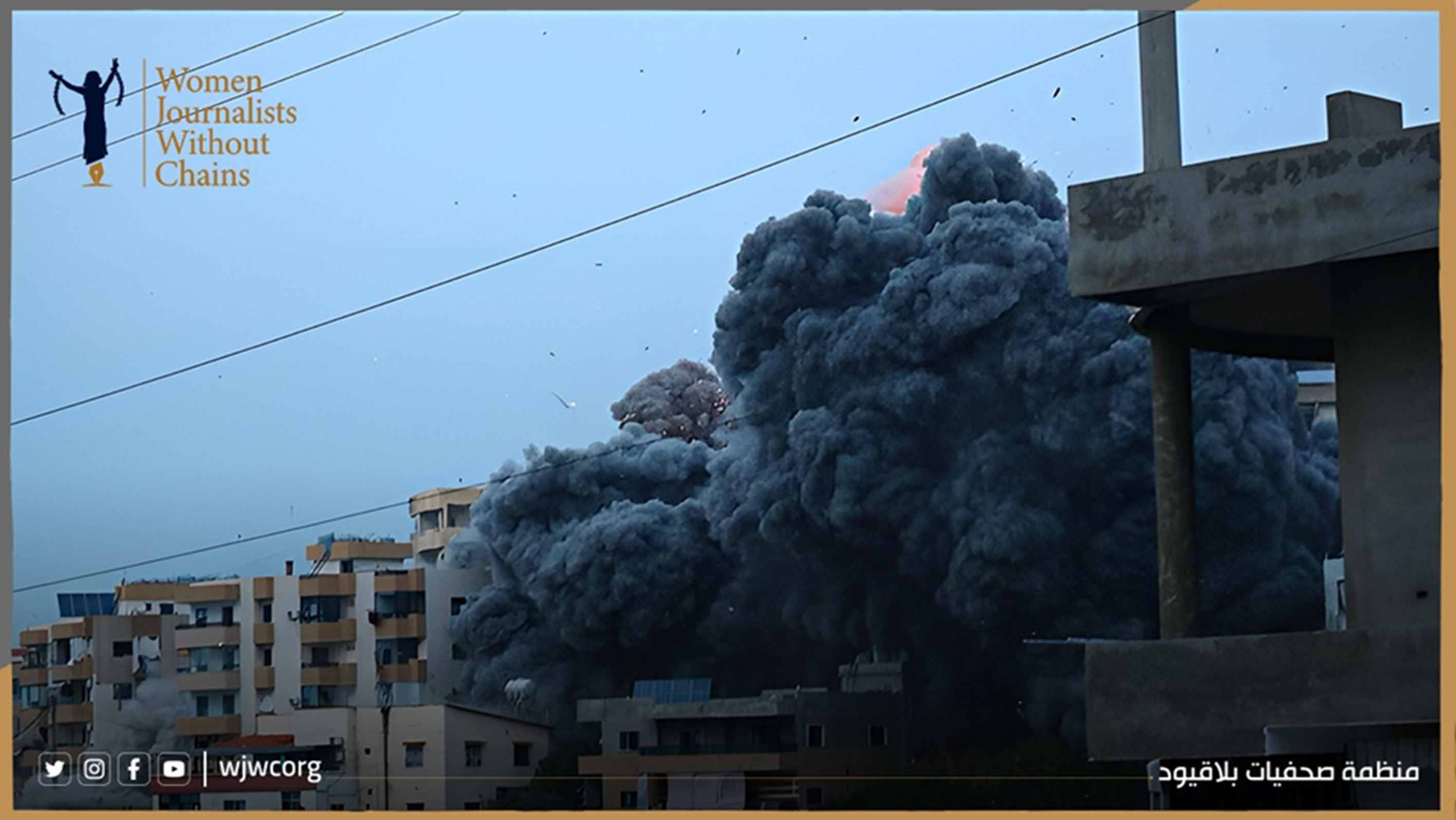
Israeli airstrikes on southern Lebanon injured eight journalists on January 21, 2026, after strikes hit the town of Qennarit in the Sidon district while media workers were covering developments on the ground, marking a serious escalation in attacks on journalists and media institutions in the region.
According to reports, the bombardment also wounded at least 19 civilians and caused extensive material damage, including the destruction of journalistic equipment and media vehicles, further impairing the ability of reporters to carry out their work safely and independently.
In response to the incident, the organization Women Journalists Without Chains condemned Israel’s repeated attacks on journalists in Lebanon, stressing that the deliberate targeting of reporters and media workers is part of a systematic policy to silence the press, obstruct documentation of atrocities, and control the flow of information.
Women Journalists Without Chains noted that assaults on reporters, photographers, and media infrastructure are not isolated incidents, but part of a systematic policy affecting media workers in both Lebanon and Palestine. The organization emphasized that these practices violate international humanitarian law and international standards that guarantee the protection of journalists during armed conflict.
The organization further reported that dozens of attacks against journalists in Lebanon have been documented over the past year, indicating a sustained deterioration in press safety. It added that conditions for journalists have significantly worsened since October 2023, particularly in Gaza, the West Bank, occupied Jerusalem, and southern Lebanon, where media workers operate amid constant threats and restrictions.
According to data cited from the Palestinian Journalists Syndicate, at least 260 journalists have been killed in Gaza since the start of the assault in October 2023, while approximately 706 relatives of journalists have also been killed, in what the organization described as indirect pressure and intimidation. Media institutions in Gaza have been systematically destroyed, and foreign journalists continue to be denied entry, severely restricting independent coverage.
In Lebanon, Israeli attacks have killed at least 13 journalists and media workers, injured dozens more, and caused significant physical and material damage, underscoring the severe risks journalists face while performing their professional duties.
Women Journalists Without Chains called on the international community, the United Nations, the Human Rights Council, and global press freedom bodies to take immediate action to protect journalists in conflict zones, particularly in Palestine and Lebanon. The organization urged independent international investigations into attacks on media workers, accountability for those responsible, and an end to impunity for crimes against the press.
The organization concluded that continued attacks on journalists undermine the public’s right to access information, obstruct the documentation of violations, and threaten the role of independent media in exposing the human cost of armed conflict.