
Wjwc News
Houthi-Controlled Yemen: Civilians Targeted, Impunity Prevails
The security situation in areas under Houthi militia control has deteriorated to a critical level, marked by a surge in violent crimes against civilians and the near-total absence of legal protection. A systematic policy of impunity shields perpetrators and has turned civilian life—particularly for women, children, journalists, and human rights defenders—into a continuous state of danger.
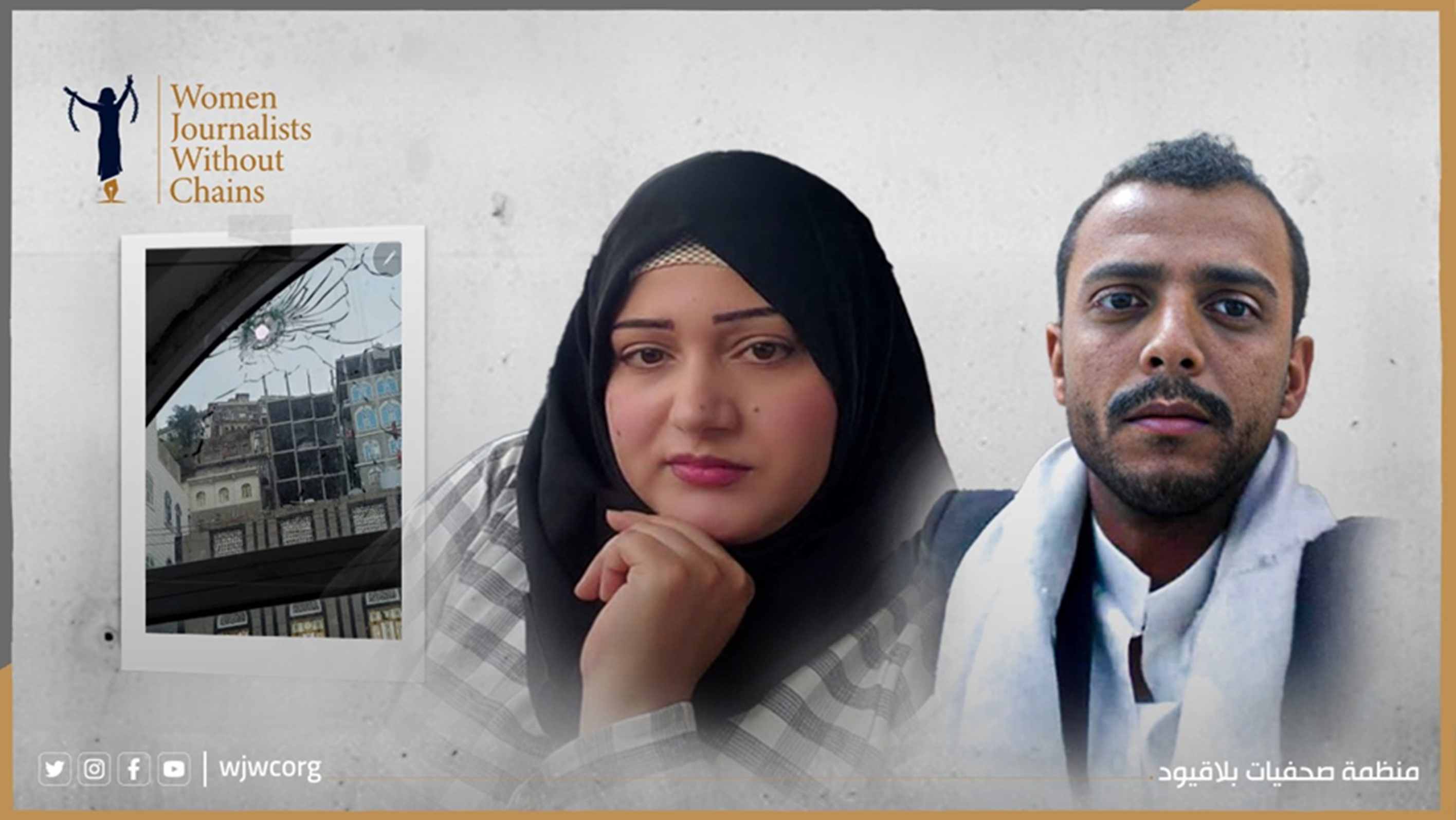
The killing of Dr. Wafaa Mohammed Saif Sarhan on 23 January 2026 in the Asila area of Sharab al-Salam District, Taiz Governorate, exemplifies this collapse. Four armed men opened fire on her family’s home while she was visiting relatives. As she approached a window after hearing gunfire, she was shot in the neck and killed instantly in front of her children. Reports confirm the home had been subjected to prior threats and attacks, yet no action was taken by militia-controlled security bodies despite repeated complaints—clear evidence of deliberate negligence and protection of perpetrators.
Within twenty-four hours, two additional crimes reflected the same pattern of lawlessness. In Ibb Governorate, Hamza Ali al-Salahi was killed in broad daylight after demanding repayment of money owed to him. The perpetrator, identified as a Houthi gunman, faced no accountability. On the same day, the home of journalist Sabah al-Shughdari in Ibb city was targeted by gunfire, leaving visible bullet holes in windows and rooms and confirming the direct targeting of journalists and civilians alike.
These incidents are not isolated. Similar crimes continue across militia-held areas, including the killing and injury of nearly ten civilians from Raymah Governorate in Saada within two months and the earlier killing of Dr. Wafaa al-Makhlafi in Sana’a. Together, these cases establish a consistent pattern of civilian targeting and the deliberate shielding of perpetrators.
This violence is compounded by a systematic media blackout, restrictions on information, and the persecution of journalists and human rights defenders. The prevention of documentation and reporting is a deliberate strategy to conceal violations, evade accountability, and reinforce impunity, leaving civilians exposed to unchecked violence.
Crimes Against Humanity and Grave Violations of International Law
The killing of Dr. Wafaa Sarhan, the killing of Hamza al-Salahi, and the armed attack on female journalist Sabah al-Shughdari’s home constitute deliberate killings and grave violations of the right to life under Yemeni and international law. These acts form part of repeated and systematic attacks against the civilian population and therefore meet the threshold of crimes against humanity under Article 7 of the Rome Statute of the International Criminal Court.
They also constitute serious violations of the International Covenant on Civil and Political Rights, including the right to life, freedom of expression, and the protection of journalists, reflecting a policy of censorship and intimidation designed to suppress accountability.
Urgent Calls for International Action
The Houthi militia bears full responsibility for these crimes, whether through direct involvement or by shielding perpetrators within its ranks. The international community, the United Nations, and relevant accountability mechanisms must act urgently to ensure that all those responsible—directly and indirectly—are held accountable through international judicial processes. Impunity must be recognized and addressed as a deliberate policy.
Immediate guarantees are required to protect civilians, particularly women, children, journalists, and human rights defenders, through effective mechanisms capable of halting attacks and ensuring accountability. The referral of these crimes to international justice mechanisms remains the only viable path to ending the cycle of violence in militia-controlled areas.
The internationally recognized Yemeni government is urged to assume its full responsibility in protecting civilians, supporting justice efforts, and mobilizing international pressure to end ongoing violations and ensure accountability.
Conclusion
Continued international silence in the face of these crimes only emboldens further violations. Justice and accountability are not optional—they are the sole path to ending the cycle of killing, fear, and impunity that continues to claim civilian lives across Yemen.
Released by:
Women Journalists Without Chains
January 25, 2026