Wjwc News
From Aid Convoys to Hospitals: Civilians Under Fire in Sudan’s Escalating Crisis
A series of deliberate attacks on humanitarian convoys, displaced civilians, and medical facilities in Sudan’s North and South Kordofan states represent flagrant violations of international humanitarian law and may amount to war crimes under international legal standards.
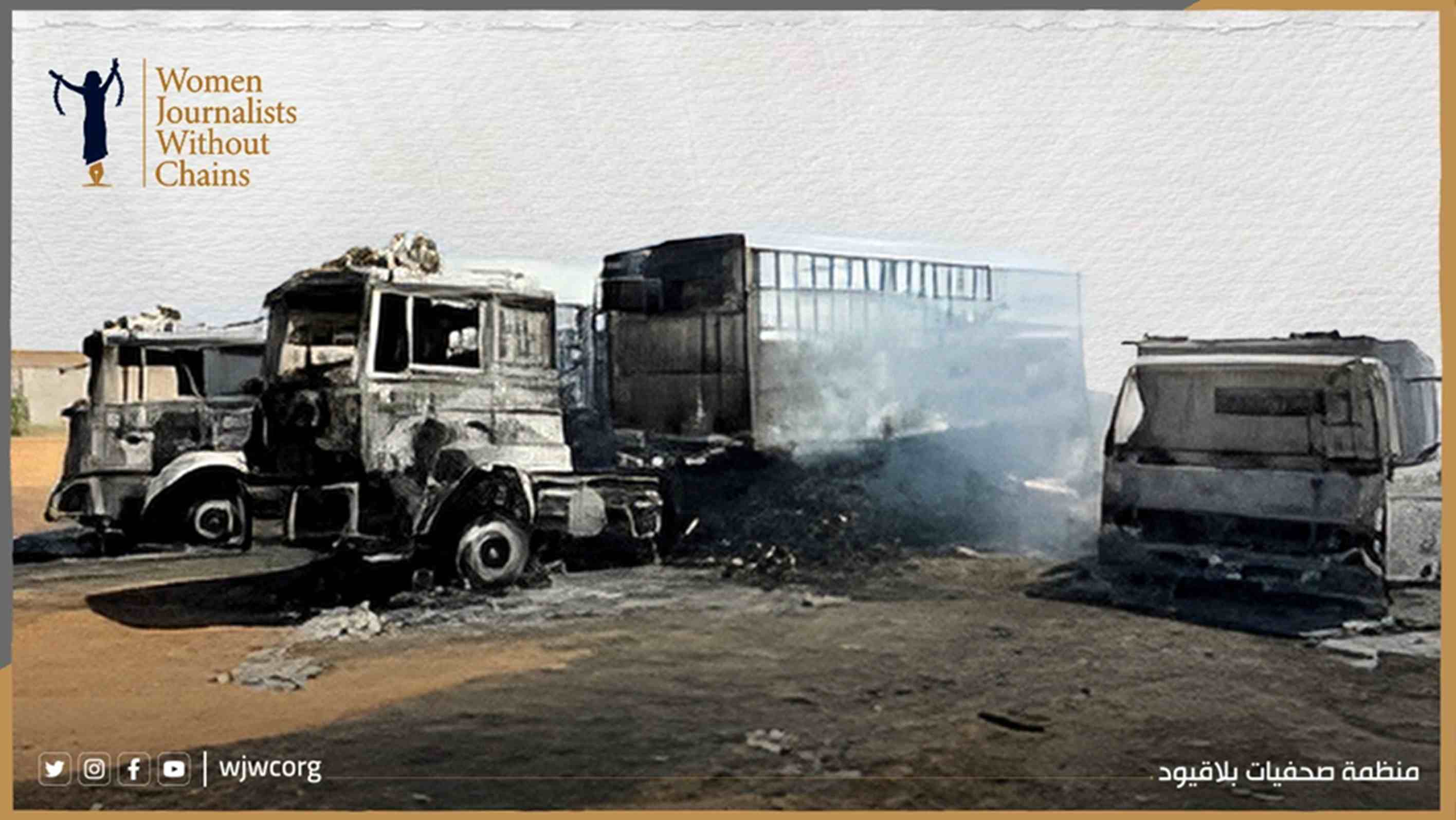
Independent field teams and local sources documented that a drone struck a World Food Programme convoy traveling from Kosti in White Nile State to deliver life saving food assistance near El Obeid. The attack killed at least one civilian, injured others, and destroyed part of the humanitarian supplies intended for vulnerable populations.
Investigations also confirmed that an aerial strike targeted a bus transporting displaced civilians in Er Rahad, killing at least 24 people. Shortly beforehand, attackers struck Al Kuweik Military Hospital, killing 22 individuals, including medical personnel. The close succession of these incidents raises grave concerns about deliberate targeting of civilians and protected humanitarian infrastructure.
These attacks reflect patterns highlighted in recent United Nations warnings about escalating violence against displaced populations and echo international condemnations following the strike on the World Food Programme convoy. International humanitarian law, including the Geneva Conventions, strictly prohibits attacks against civilians, humanitarian personnel, and medical facilities, as well as obstruction of relief operations.
Repeated assaults on humanitarian convoys, healthcare facilities, and vehicles transporting displaced civilians demonstrate a dangerous pattern of violations within a conflict that has created one of the world’s most severe humanitarian crises. United Nations estimates indicate that more than 34 million people in Sudan face acute food insecurity, while approximately 9.6 million individuals remain forcibly displaced.
Deliberate attacks against civilian and humanitarian infrastructure may constitute war crimes. When intent, systematic repetition, and large scale impact are established, such acts may also constitute crimes against humanity under the Rome Statute of the International Criminal Court. The Rapid Support Forces bear full legal responsibility for these attacks and must ensure the protection of civilians and humanitarian personnel in areas under their control or influence. Any military, financial, or logistical support provided to these forces risks enabling continued violations.
We demand the following urgent measures:
- Establish an immediate, independent, and transparent international investigation into all attacks targeting humanitarian convoys, displaced civilians, and medical facilities.
- Hold all perpetrators accountable, including commanders, instigators, and supporting actors.
- Create safe and sustainable humanitarian corridors to guarantee unimpeded access to life saving assistance.
- Impose targeted international sanctions against individuals and entities responsible for attacks on civilians and humanitarian operations.
- Take urgent international measures to halt the flow of weapons and foreign fighters fueling the conflict in Sudan.
We urge the United Nations, the Security Council, and the Office of the High Commissioner for Human Rights to take decisive and concrete action to protect civilians and move beyond statements of condemnation. The international community must activate accountability mechanisms, including full support for investigations conducted by the International Criminal Court into crimes committed in Sudan.
Continued international inaction and delayed deterrent measures embolden perpetrators, deepen impunity, and undermine prospects for sustainable peace. Justice and accountability remain essential to breaking the cycle of violence and protecting civilians.
Released by:
Women Journalists Without Chains
February 9, 2026