
Wjwc News
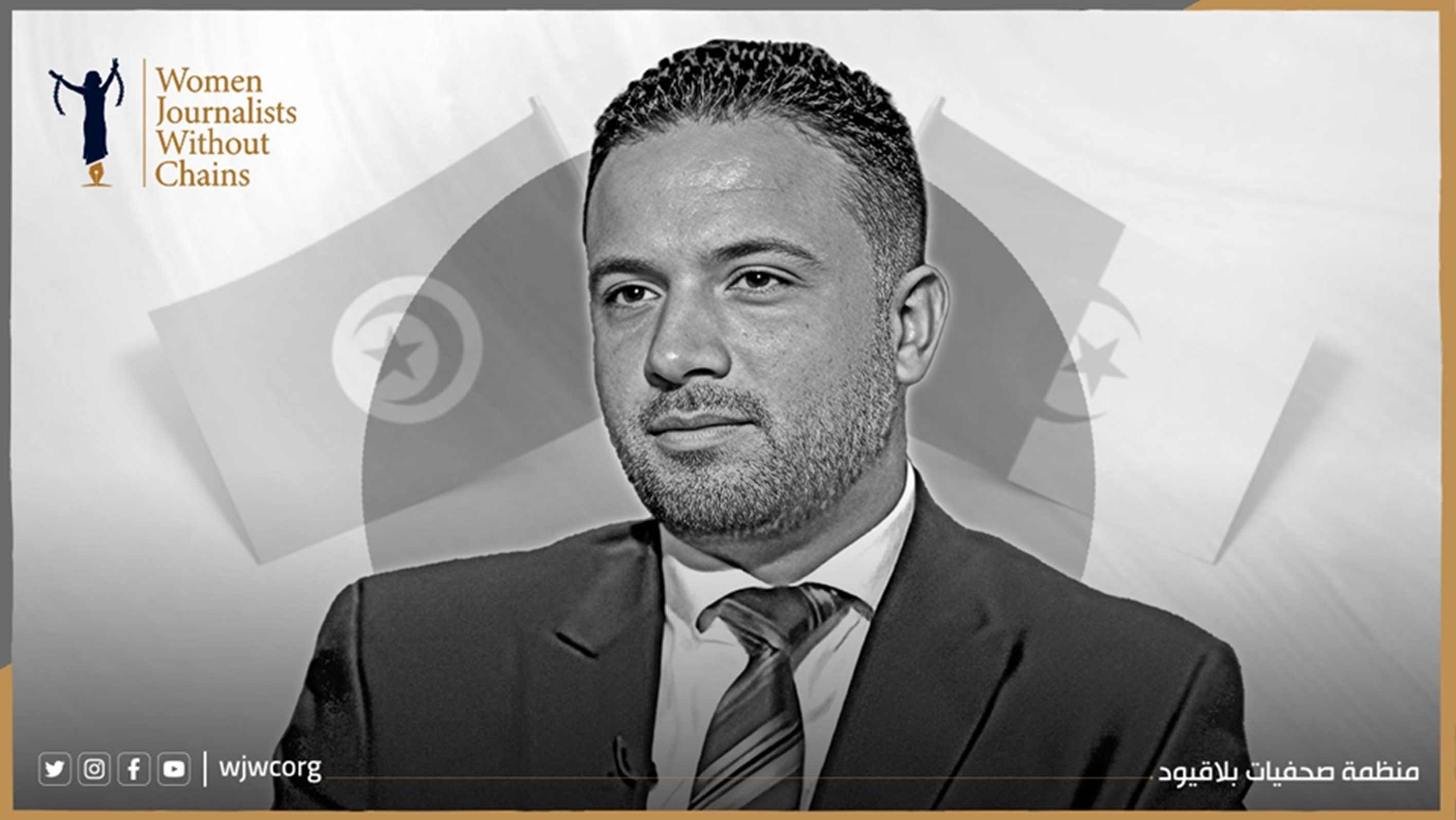
Algeria’s Extradition of Makhlouf Condemned as Rights Violation
Algerian authorities transferred Tunisian lawyer and opposition figure Seifeddine Makhlouf to Tunisia on January 18, 2026, in a move that has drawn strong criticism from the organization Journalists Without Chains, which said the handover violated international law and exposed Makhlouf to a serious risk of political persecution.
According to the organization, the transfer was carried out despite Makhlouf’s status as a registered asylum seeker with the United Nations High Commissioner for Refugees (UNHCR). The organization reported that neither Makhlouf nor his legal representative was informed in advance of the decision, and that he was denied access to any legal process to challenge the transfer or to assess the dangers he would face upon return, including arbitrary detention and unfair judicial proceedings.
Women Journalists Without Chains stated that by proceeding with the extradition, Algeria failed to uphold its obligations under international treaties that prohibit the return of individuals to countries where they face a real risk of serious human rights violations. These include the 1951 Refugee Convention, the Convention Against Torture, and the International Covenant on Civil and Political Rights.
The organization also noted that Makhlouf had been detained in Algeria for irregular entry and later placed in administrative detention. During this period, he was prevented from attending scheduled meetings with UNHCR officials to review his asylum claim, a measure the organization said undermined due process guarantees and international standards for the protection of asylum seekers.
Upon his arrival in Tunisia, Makhlouf was immediately taken into custody to enforce judicial rulings issued in his absence, including a five-year prison sentence related to the widely criticized “Conspiracy Against State Security” case. Women Journalists Without Chains said the case is emblematic of a broader campaign of politically motivated prosecutions that has intensified since February 2023, targeting opposition politicians, lawyers, journalists, and civil society actors through vague and expansive charges aimed at suppressing dissent.
The organization warned that enforcing in absentia convictions without providing fair trial guarantees or meaningful access to legal defense represents a serious breach of international justice standards. It further expressed concern that Makhlouf faces an elevated risk of arbitrary detention and ill-treatment amid a broader deterioration of judicial independence in Tunisia, where courts are increasingly used to silence political opponents.
Women Journalists Without Chains emphasized that the incident reflects a growing pattern of cross-border security cooperation that prioritizes political interests over human rights obligations. The organization cautioned that such practices erode long-standing regional norms that historically protected refugees and political dissidents from extradition, setting a dangerous precedent that enables transnational political repression.
The organization called on Tunisian authorities to immediately release Seifeddine Makhlouf, guarantee his physical and psychological safety, and suspend the enforcement of politically motivated verdicts. It also urged Algerian authorities to comply fully with the principle of non-refoulement and to end transfer and security practices that place refugees, asylum seekers, and political opponents at risk.
Finally, Women Journalists Without Chains appealed to relevant United Nations mechanisms, particularly the Special Rapporteurs on arbitrary detention and on the independence of judges and lawyers, to urgently monitor this case and intervene to ensure accountability and the protection of fundamental rights.
The organization concluded that the continuation of such practices threatens the remaining safeguards for human rights in Tunisia, deepens a climate of fear and impunity, and undermines the right to peaceful political participation, while placing direct legal and moral responsibility on all states involved in these violations.